When Memories Have Their Own Momentum
A few weeks ago, I was invited to the 50th birthday party for a dear friend of mine. We met when we were just 5 years old and were certified BFFs—meaning, we had the charms that proved it. My immediate response to the invitation was “YES!” and I’m so excited for the upcoming adventure.
To prepare for the trip—which will essentially be a giant slumber party with her most beloved friends in a fun beach town—I’ve been spending a lot of time walking down memory lane. I hauled out my albums, yearbooks and boxes of memories and put aside time to go through them and reflect.
Then, BAM!
Without expecting it, suddenly, I’ve been living in the past. In my dreams at night, I’m back in elementary school or middle school or high school. I’m remembering our inside jokes and reciting a poem we’d memorized. I’m dissecting lists about “what’s hot and what’s not” when we were in seventh grade (let’s say Bill Cosby on the “hot” list did not age well). I’m reliving our early crushes and our raucous sleepovers and feeling incredibly grateful to have had this gal by my side as I learned what it meant to be a friend and to have such a great friend.
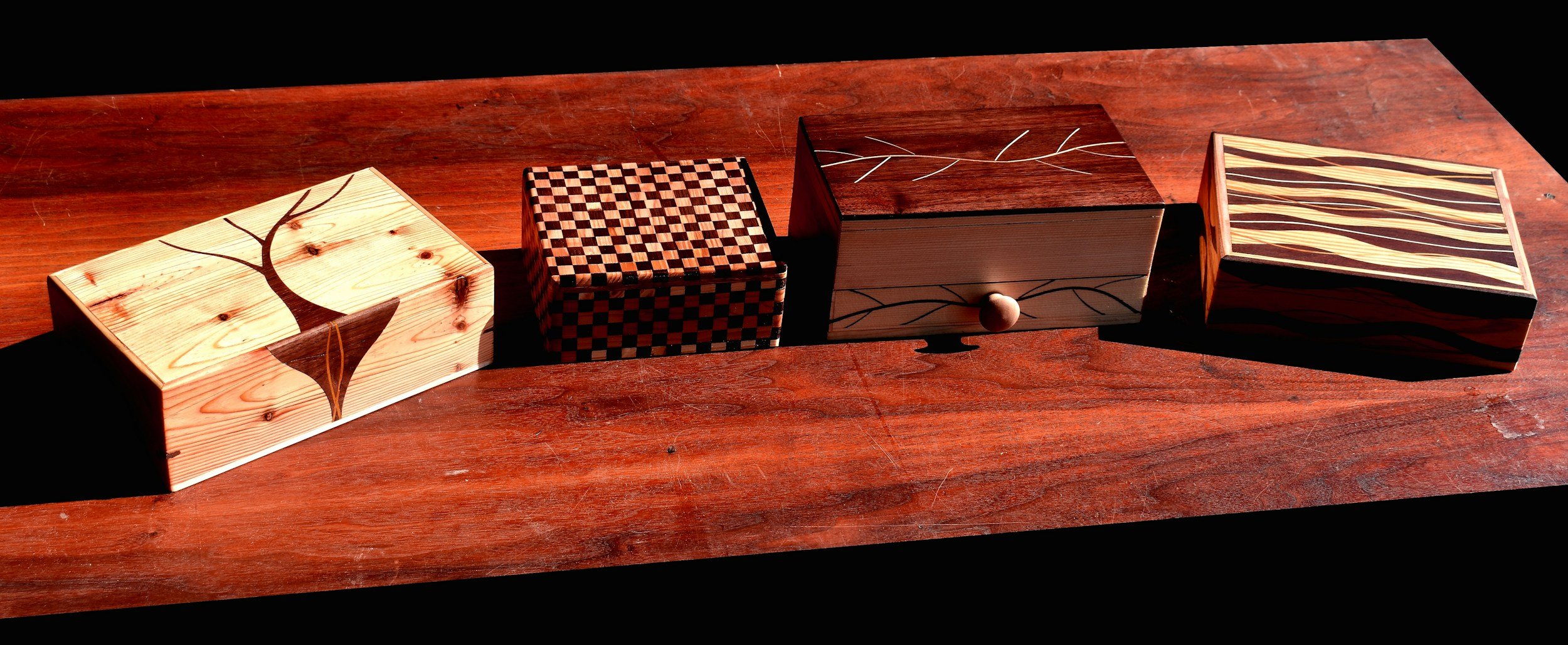
It’s made me think a lot about my role as an interviewer and the ripple effect of encouraging someone to reflect on their life. It’s no small ask. Because deep down, I think we’re all a little like jewelry boxes, filled with storage nooks and crannies and drawers of different sizes, some of which open easily while others stick or even lock. Reflecting on what’s within seems like the practice of a well-balanced individual, but really, until a reason arises, who has the time?
I’ve always known that trust is essential when writing someone’s story. As I write more family history books, it’s as important as ever. Often, I’m contacted by a family member who wants me to write their family history, including their mom’s or dad’s story. The first time I meet the parent, it’s an opportunity to see if we click and gauge whether they’re open to sharing their past. Invariably, by the second time I visit, their mind has gone in all different directions, whether they want it to or not. That may mean they’ve gone through photos and letters, or they’ve thought of people and stories that they haven’t considered in years. The interview, I’ve learned, doesn’t end when I leave. Memories take on their own momentum. And once you open those drawers, you may not have much control over where your mind goes.
When I started ghostwriting books, I thought a lot about the end product and the audience. I now understand that the process of sharing and reflecting is deeply meaningful, too. These interviews are an opportunity for the subjects to travel back in time, revisit old friends, relive the moment they met their partner, reflect on becoming a parent and grandparent and laugh about old jokes. It can be enlightening. At first, I thought it might be exhausting. But I’ve found that for the person who’s sharing, it’s actually quite energizing. And by the time the interview wraps up—often because it’s getting late and I have to leave—they always seem just a little bit lighter than they were when it began.
As for me and my BFF, I feel incredibly lucky. Not just for the inside jokes we had back then, but for the fact that we’re still making new memories together, decades later. What more could you ask for?